

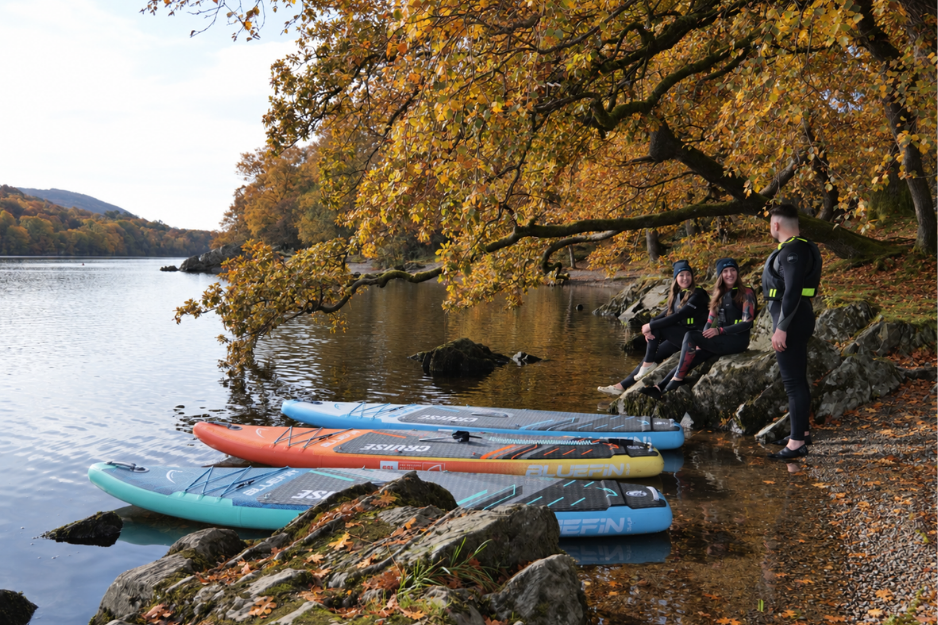

Paddleboarding in Europe doesn't have to end when summer finishes. Autumn brings quieter lakes, peaceful waterways and the chance to experience some of Europe's most beautiful paddling destinations away from the busiest months. From Germany's scenic lakes to Austria's mountain landscapes and the sheltered waters of Scandinavia, cooler conditions offer a different kind of SUP experience.
However, knowing what to wear paddleboarding in cooler weather is essential before extending your paddling season. European conditions vary considerably. A sunny October day beside an Alpine lake can still mean very cold water, while Mediterranean coastal locations may remain comparatively mild well into autumn. Choosing the right clothing involves understanding these differences and preparing for both the conditions above the water and the possibility of falling into it.
This guide explains how to dress appropriately, choose protective equipment and prepare for safer autumn and winter paddling across Europe.
What to Wear Paddleboarding in Cooler Weather in Europe
Your cold-weather paddleboarding outfit should achieve three things:
Provide protection during an unexpected fall into the water.
Keep you comfortable while standing and paddling.
Allow enough movement to control your board and reboard after a fall.
A typical cooler-weather SUP clothing system may include a wetsuit or drysuit, suitable insulation, neoprene footwear and gloves. But there is no single outfit suitable for every European destination.
The Essential European SUP Clothing Checklist
Before launching, check that you have:
Appropriate immersion clothing: A wetsuit, drysuit or other suitable watersports protection.
Thermal insulation: Layers selected for water and air temperatures.
Neoprene boots: For insulation and secure footing.
Neoprene gloves: To maintain comfort and grip.
Suitable head protection: Appropriate for the weather and immersion risk.
Buoyancy aid: Correctly fitted for your size and clothing.
Suitable leash: Selected according to currents, entrapment hazards and local guidance.
Waterproof communication device: Accessible on your person.
Dry change of clothing: Packed securely for use after paddling.
Importantly, warm clothing alone is not the same as cold-water protection. An everyday jacket may provide comfort onshore but offer little useful insulation if you fall into cold water.
Why European Paddleboarding Conditions Vary So Much
One of the biggest challenges when planning autumn or winter SUP sessions in Europe is understanding local environments. The continent includes warm coastal waters, lowland lakes, deep Alpine reservoirs and northern waterways where cold conditions arrive much earlier.
Water Temperature Matters More Than Sunshine
Water often remains cold long after air temperatures rise. This is especially important on deep lakes, where the surface may feel inviting despite the significant hazards of cold-water immersion. Cold water can trigger involuntary gasping, rapid breathing and reduced physical coordination.
Never judge the safety of a paddleboarding session solely by the temperature shown on a weather app. Check local water information where available and dress for the possibility of immersion.
Wind Exposure Changes Everything
Standing upright on a paddleboard exposes much of your body to the wind. On open lakes, this can increase heat loss and make returning to shore difficult. A location that feels sheltered near the launching point may experience stronger wind farther from land. European paddlers should pay particular attention to local wind systems, mountain weather and conditions that may develop during the afternoon.
Seasonal Daylight Affects Your Plans
As autumn progresses, daylight becomes increasingly limited, especially across northern and central Europe. A longer paddle that works comfortably in July may be inappropriate in November. Plan your session around local sunset times, access points and weather conditions. Short, well-planned routes are generally a better choice when temperatures and daylight are falling.
Wetsuit or Drysuit: What Should You Wear?
Choosing between a wetsuit and drysuit is one of the most important decisions for cooler European paddling. The right answer depends on water temperature, exposure, activity level and the paddler's experience.
Wetsuits for Milder European Conditions
A wetsuit is a practical choice for many recreational watersports. Neoprene helps reduce heat loss, including when the wearer becomes wet. Depending on the environment, thinner or thicker suits may be appropriate. For example, a milder autumn outing in parts of southern Europe may call for a different wetsuit than a session on a cold central European lake.
Benefits of wetsuits include:
Flexible movement for active paddling.
Insulation during immersion.
Familiarity for many watersports participants.
A choice of designs and thicknesses.
However, wetsuits can become uncomfortable when the wearer is wet and exposed to wind.A suit suitable for surfing or swimming is not automatically the right choice for a relatively stationary activity on a paddleboard.
Drysuits for Colder Lakes and Northern Conditions
A drysuit keeps water away from the insulating layers underneath when properly fitted and functioning correctly. This makes it especially useful for some cold-weather paddleboarding activities. Paddlers exploring colder inland waterways or extending their season into winter may benefit from a carefully chosen drysuit system.
Advantages include:
Adjustable insulation beneath the outer shell.
Protection from direct contact with cold water.
Greater flexibility when selecting thermal layers.
Comfort during suitable low-intensity paddling activities.
A drysuit alone does not provide enough warmth. It must be combined with appropriate underlayers, and its fit, seals and zips must be checked.
Wetsuit vs Drysuit for European Conditions
Consideration |
Wetsuit |
Drysuit |
Suitable environment |
Milder or appropriately assessed colder water |
Colder environments requiring dry insulation |
Insulation |
Primarily neoprene thickness and fit |
Thermal layers beneath waterproof shell |
Movement |
Flexible when correctly fitted |
Flexible if properly sized |
Comfort after immersion |
Wet neoprene may feel cold in wind |
Insulating layers stay dry if the suit remains sealed |
Best consideration |
Suit thickness and exposure time |
Layering, watertightness and maintenance |
Experience requirement |
Proper fitting and cold-water awareness |
Familiarity with use, maintenance and immersion procedures |
Neither option makes cold-water paddleboarding automatically safe. When conditions exceed your skills or equipment, postponing the trip is the right decision.

Layering for Autumn and Winter SUP Adventures
Start with Breathable Base Layers
If you're wearing a drysuit, start with moisture-wicking clothing. Merino wool and suitable synthetic fabrics can be useful because they manage moisture more effectively than cotton.
Look for:
Close-fitting thermal tops.
Comfortable thermal leggings.
Materials that allow shoulder movement.
Flat seams that minimise irritation beneath your suit.
Avoid bulky cotton clothing, particularly under drysuit systems.
Add Insulation Where Necessary
Colder environments may require fleece layers or a specialist drysuit undersuit. The correct amount of insulation depends on conditions, your personal cold tolerance and how physically demanding the session will be. Insulation should never prevent you from bending, balancing or reboarding safely.
Protect Against Wind Exposure
When paddling in cooler weather, wind can quickly change how comfortable you feel. Use a clothing system that accounts for wind exposure while maintaining suitable immersion protection. Avoid adding bulky everyday outerwear that interferes with your buoyancy aid or makes swimming difficult.
Cold-Weather SUP Accessories Worth Prioritising
Neoprene Boots
Standing on a paddleboard means your feet can become cold even when the rest of your body feels comfortable. Neoprene boots provide insulation and protection when entering or leaving the water. Look for comfortable ankle support, suitable grip and enough flexibility to maintain contact with the deck Poorly fitting footwear can interfere with balance, so test your boots before taking them on a longer trip.
Neoprene Gloves
Cold hands can make it more difficult to control your paddle or operate equipment. Choose gloves that provide insulation without excessively reducing grip. Make sure you can operate any quick-release mechanisms and emergency equipment while wearing them.
Head Protection
A suitable neoprene hood may be useful where cold-water immersion is a significant possibility. For less demanding conditions, a secure, appropriate watersports hat may offer comfort. Whatever you choose, it should not interfere with your awareness of surrounding paddlers, boats or hazards.
What to Wear Paddleboarding Across Different European Regions
Germany: Autumn SUP on Lakes and Inland Waterways
Germany has an established stand-up paddleboarding culture, with paddlers enjoying lakes and accessible waterways throughout the country. Locations such as the Chiemsee, Starnberger See and the wider Mecklenburg Lake District offer attractive settings, although local access rules and restrictions must always be checked. As temperatures fall, inland waters can become increasingly cold. Wind also matters on larger, more exposed lakes
.
For autumn SUP sessions in Germany:
Choose immersion protection based on water temperature.
Wear appropriate neoprene footwear.
Monitor local wind warnings and weather changes.
Check for seasonal restrictions and designated access areas.
Avoid launching during thunderstorms or strong winds.
The German Lifesaving Association, DLRG, advises paddlers to consider both air and water temperature, prioritising the colder of the two when choosing clothing. For German lake paddling, local weather information and waterway rules should always guide your plans.
Austria and Alpine Lake Paddleboarding
Austria's Alpine lakes provide spectacular surroundings, but mountain environments can introduce rapidly changing conditions. Cool mornings, cold water and shifting winds require careful preparation. A drysuit with suitable thermal insulation may be appropriate for some colder sessions, but it is not a replacement for local knowledge or training.
Deep Alpine water can remain dangerously cold despite warm air. Always check forecast conditions, access restrictions and whether your planned route is appropriate for your equipment and experience.
France, Italy and Southern Europe
Parts of southern Europe may offer milder autumn weather than northern regions. However, the Mediterranean coast and inland lakes present different challenges. Wind systems such as the Mistral in southern France can create demanding conditions, while northern Italian lakes may experience strong local winds.
Do not assume that southern European sunshine means safe paddleboarding conditions. Select clothing based on the actual water and weather, and check local regulations before launching.
Scandinavia and Northern Europe
Autumn conditions can become challenging earlier in Denmark, Sweden, Finland and other northern regions. Cold water, reduced daylight and more exposed weather may demand specialist equipment and experience. For less experienced paddlers, guided sessions with appropriately qualified providers can be a better way to discover these environments. Some winter conditions are unsuitable for recreational paddleboarding altogether.
Paddleboarding Safety on European Waters
Cold-weather paddleboarding requires more than warm clothing. Planning, equipment and good judgement are equally important.
Wear an Appropriate Buoyancy Aid
A properly fitted buoyancy aid provides additional flotation if you fall into the water. In Germany, the DLRG recommends suitable equipment for flotation and visibility, including an appropriately designed buoyancy aid. Check relevant European standards, sizing and local requirements when selecting personal flotation equipment.
Safety rules vary between European countries and individual waterways. Check the regulations for the specific location before paddling.
Choose Your Leash Carefully
A SUP leash can help prevent your board from drifting away after a fall, but the type of leash must match the environment. On relatively still, unobstructed water, an ankle leash may be appropriate.
On moving water, a conventional ankle leash can create serious entrapment risks. The DLRG advises particular caution in flowing water and recommends appropriate quick-release systems. Do not enter moving or obstructed water without the skills, knowledge and equipment suited to that environment.
Carry Reliable Emergency Communication
Pack a waterproofed mobile phone or suitable communication device on your person rather than only in a bag attached to the board.
The European emergency number 112 is available throughout the EU. For marine emergencies, learn the local rescue procedures and available communication channels before launching.
Paddle with Others and Plan for Recovery
Whenever practical, paddle with a companion. Agree on a route, check access points and establish what you will do if someone falls in and struggles to reboard. Plan for the period after your session, too. Dry clothes, a warm sheltered changing location and a realistic return route can make a considerable difference to post-paddle comfort.
Choosing a Paddleboard for Autumn Adventures in Europe
The right clothing is essential, but your paddleboard should also suit the type of water you're exploring. For colder conditions, many recreational paddlers benefit from a board that offers predictable handling and suitable stability for their ability.
Bluefin Cruise: Versatility for European Lakes
The Cruise range is designed for versatile, all-round paddleboarding. Its stable design and textured deck pad can support recreational outings on appropriately chosen waters. For paddlers exploring calm European lakes or sheltered waterways, the Cruise offers a practical option for building confidence and developing skills.
The range may appeal to those who:
Enjoy recreational paddling on lakes.
Want to improve their paddling technique.
Prefer a versatile SUP for different suitable locations.
Value durable construction for regular use.
Stability can make a board easier to manage, but it cannot replace cold-water protective clothing or good safety decisions.
Bluefin Carbon: For Paddlers Looking to Progress
For paddlers looking at more advanced equipment, the Bluefin Carbon range is another option to explore. Compare individual models based on their intended use, dimensions, carrying capacity and your experience. A board suited to your skill level is more useful than choosing equipment simply because it is positioned as high performance.
Bluefin Lite: A Compact Option for Travel
If convenient transport is a priority, the Lite range offers a compact, lightweight alternative. Its portable design can be useful for road trips and recreational paddling holidays, particularly where storage space is limited. Always account for the complete weight and volume of your safety equipment when planning an autumn trip.

Common Mistakes When Paddleboarding in Cooler European Weather
1. Assuming All European Lakes Have Similar Conditions
A sheltered lowland lake and a deep Alpine lake may have very different water temperatures, wind patterns and hazards. Research the individual location rather than relying on seasonal expectations.
2. Wearing Clothing That Only Works When Dry
Ordinary sportswear may feel suitable during the first few minutes of paddling. But if you fall into cold water, inadequate insulation can quickly become dangerous. Choose clothing based on the possibility of immersion.
3. Ignoring Local Waterway Regulations
Paddleboarding access is not uniform across Europe. Some waters have restrictions involving nature conservation, navigation routes, seasonal access or watercraft requirements. Research local rules before arriving.
4. Underestimating Wind on Large Lakes
Large lakes can develop difficult conditions, particularly where local topography influences wind. A familiar shoreline does not guarantee calm water farther out.
5. Staying Out Too Long
Cold exposure, fatigue and decreasing daylight can make the return journey harder than expected. Start with short sessions close to suitable exit points and only increase distance when your skills, equipment and conditions justify it.
Frequently Asked Questions
Can You Paddleboard in Germany During Autumn?
Yes, autumn paddleboarding can be possible on suitable German waterways. Choose clothing appropriate to the water temperature, check local access rules and pay close attention to changing weather. Beginners should prioritise sheltered conditions and qualified instruction.
Do You Need a Wetsuit for Paddleboarding in Europe?
Not in every location or season, but immersion protection becomes increasingly important as water temperatures fall. For cooler conditions, a wetsuit or drysuit may be necessary depending on the environment and planned activity.
Is a Drysuit Better for Alpine Lakes?
A correctly fitted drysuit with suitable thermal layers may provide advantages in cold conditions. However, equipment must be selected according to the water temperature, weather and paddler's ability. Some Alpine conditions are too hazardous for recreational SUP, regardless of clothing.
What Shoes Are Best for Autumn SUP?
Secure neoprene boots with good grip are a popular choice. Look for footwear designed for watersports that provides comfort without restricting balance or movement.
Is Paddleboarding Safe in Winter?
Winter paddleboarding introduces significant cold-water and weather-related risks. It should only be undertaken in suitable conditions by people with appropriate training, equipment and emergency planning. For many beginners, waiting for milder conditions is the safer option.
Summary: Your Cooler-Weather European SUP Checklist
Paddleboarding beyond summer can be a rewarding way to explore Europe's waterways. But with changing weather, shorter daylight and colder water, preparation becomes more important.
Before your next autumn session:
Check actual water and weather conditions.
Choose a suitable wetsuit or drysuit system.
Use appropriate thermal layers.
Protect your hands and feet.
Wear a correctly fitted buoyancy aid.
Select the correct leash for the environment.
Carry an accessible emergency communication device.
Review local paddling restrictions.
Paddle with others and remain within your abilities.
Bring dry clothing and plan how to warm up afterwards.
Knowing what to wear paddleboarding in cooler weather gives you a stronger foundation for planning suitable sessions, whether you're exploring German lakes, enjoying a sheltered French waterway or discovering a new European destination. The best experience comes from matching your equipment and expectations to the conditions, rather than pushing beyond them.
Share:
Paddleboarding Safety in Europe: Managing Wind, Temperature and Light